Frame the question
Choose the decision the experiment needs to support. Agree on the inputs, operating conditions and what a good result looks like.

Tonbo Systems / Applied R&D
We build and test prototypes across optics, electronics and software.
Explore our capabilities ↓Capabilities
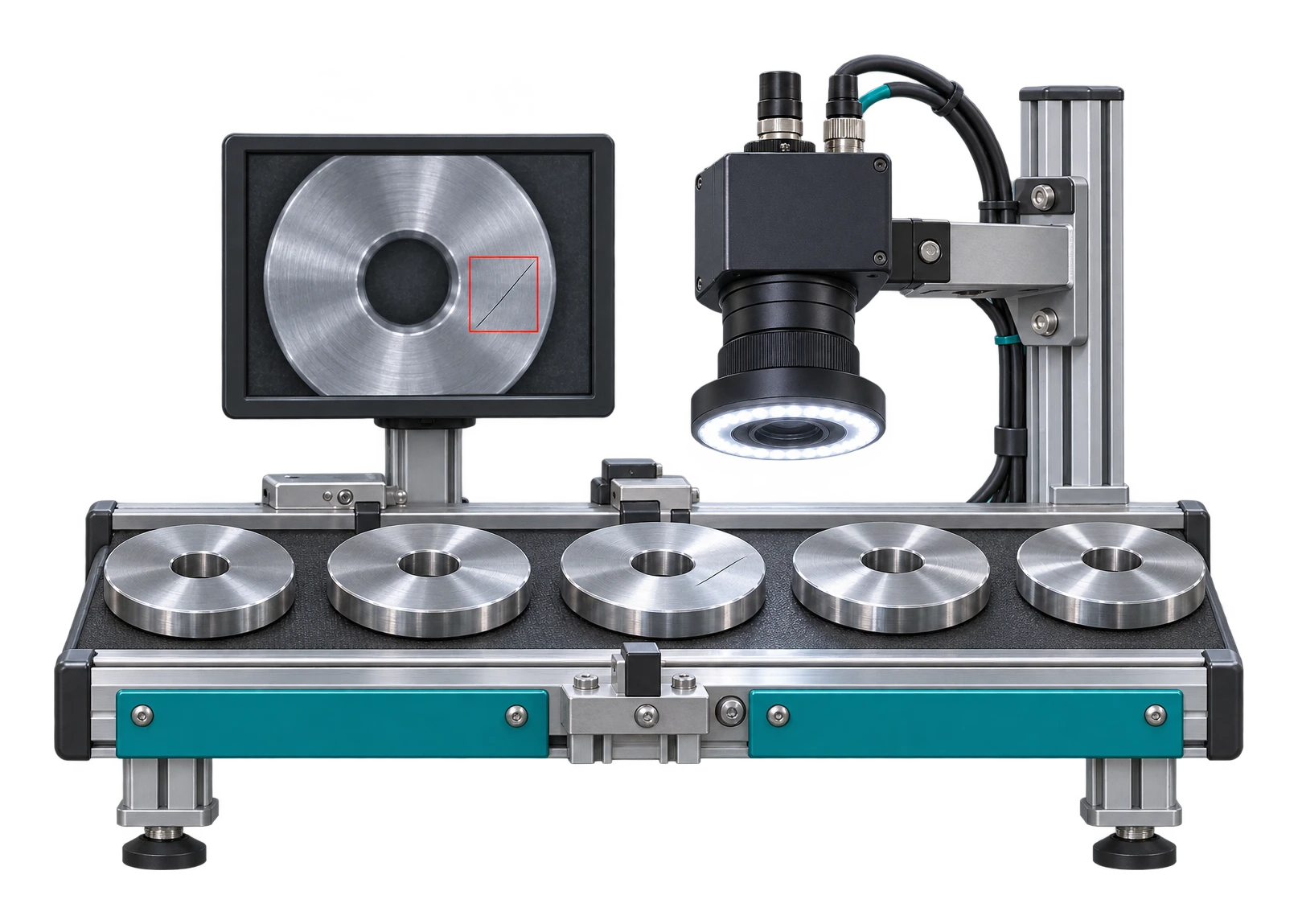
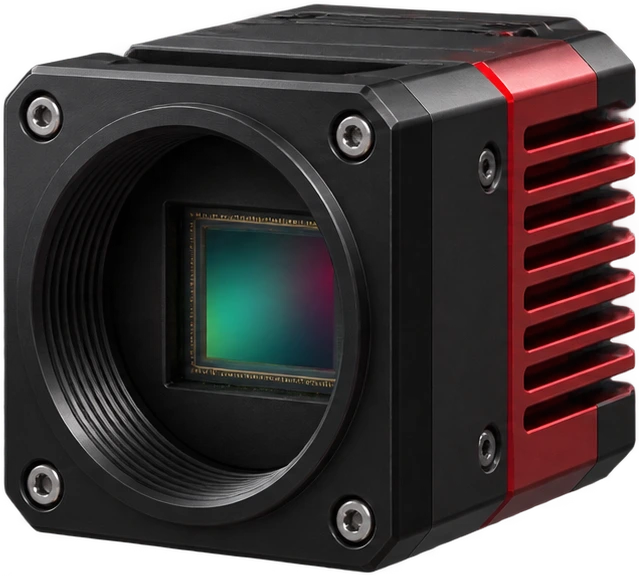
A camera has only a fraction of a second to see a part on a moving line. Lens choice, lighting angle and exposure determine whether a shallow scratch is visible before a model ever sees the image.
We define the smallest defect that matters, collect representative parts and compare image capture setups. We hold back a separate batch for evaluation and report missed defects, false rejects and processing time under each operating condition.
An inspection prototype, labelled evaluation set and a report that connects detection errors to lighting, speed and surface finish.
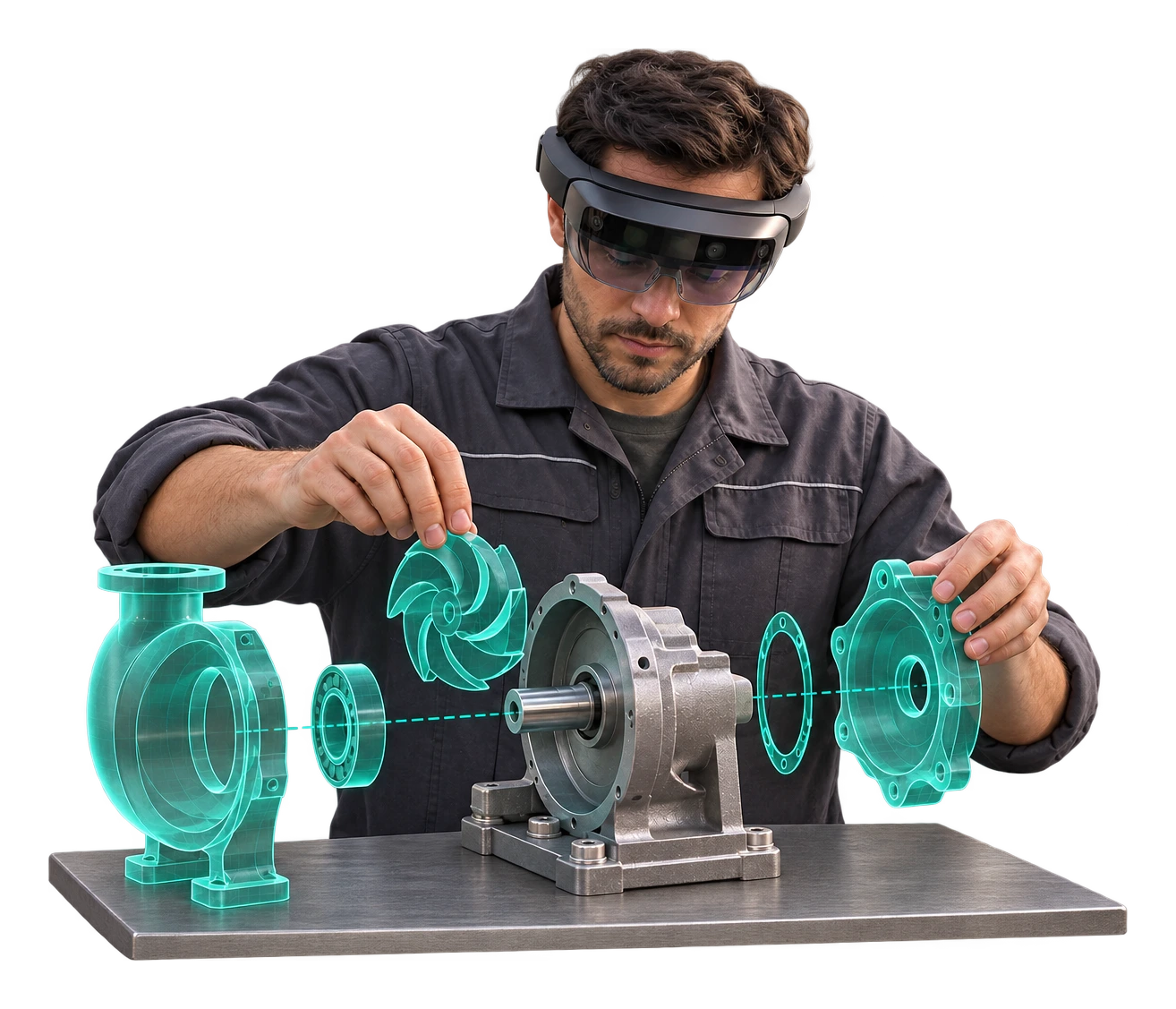
Which part goes where, and what happens if an assembly step is missed? A spatial rehearsal lets a technician work through that sequence before a physical training fixture is available.
We translate the task into interactions, anchor instructions to recognisable features and observe where users lose alignment or ask for help. Iterations focus on readability, reach, comfort and recovery from mistakes.
A headset-ready prototype, interaction specification and usability findings tied to individual task steps.
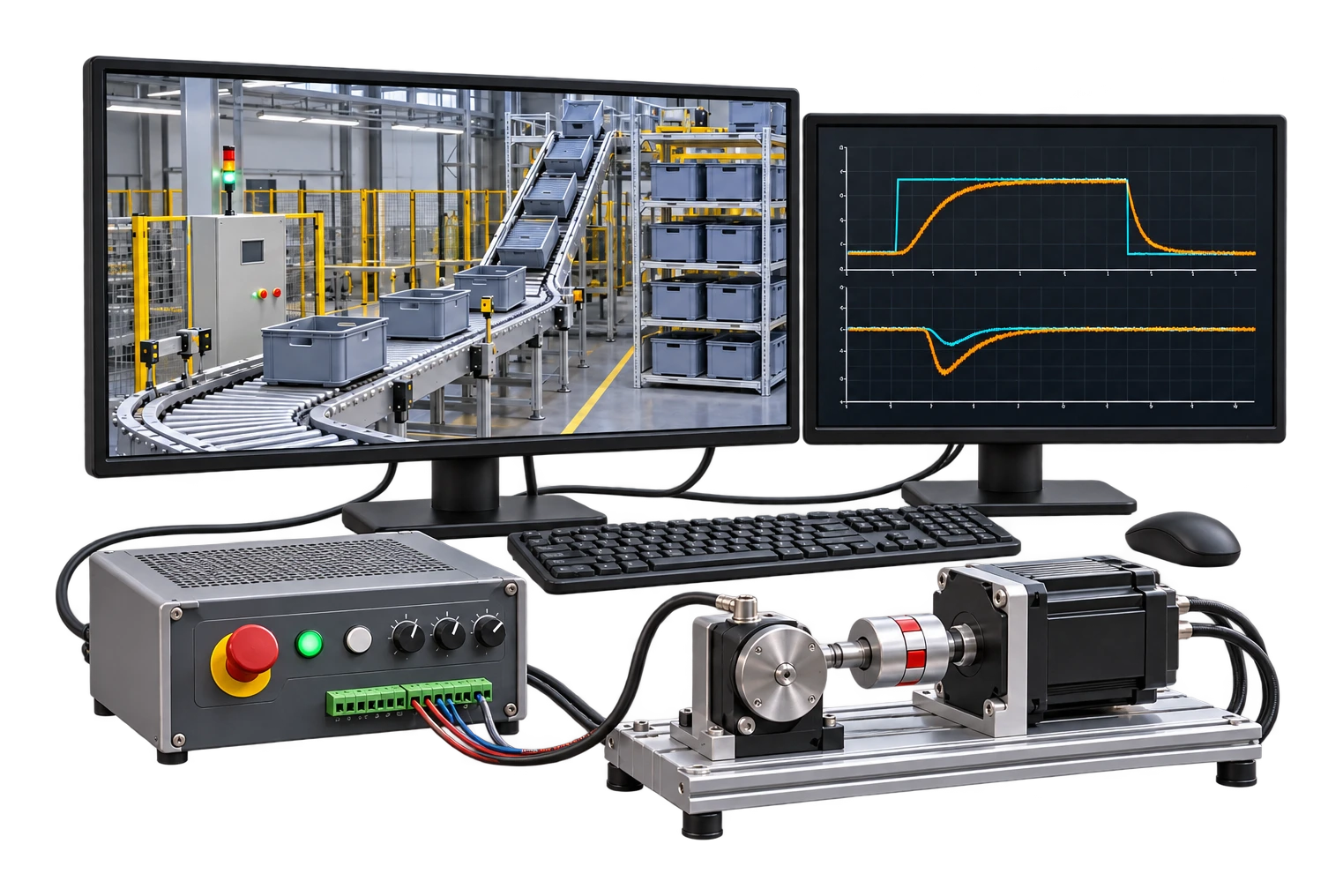
A delayed sensor reading can disrupt a control loop for milliseconds. A simulator lets a team recreate the same event, inspect the response and compare software revisions on identical inputs.
We define the useful range of the model, use bench traces to establish a baseline and add controllable disturbances. Each scenario records its initial state, inputs and expected response so another engineer can replay it.
An executable model, scenario library and reference traces with the limits of the model documented.
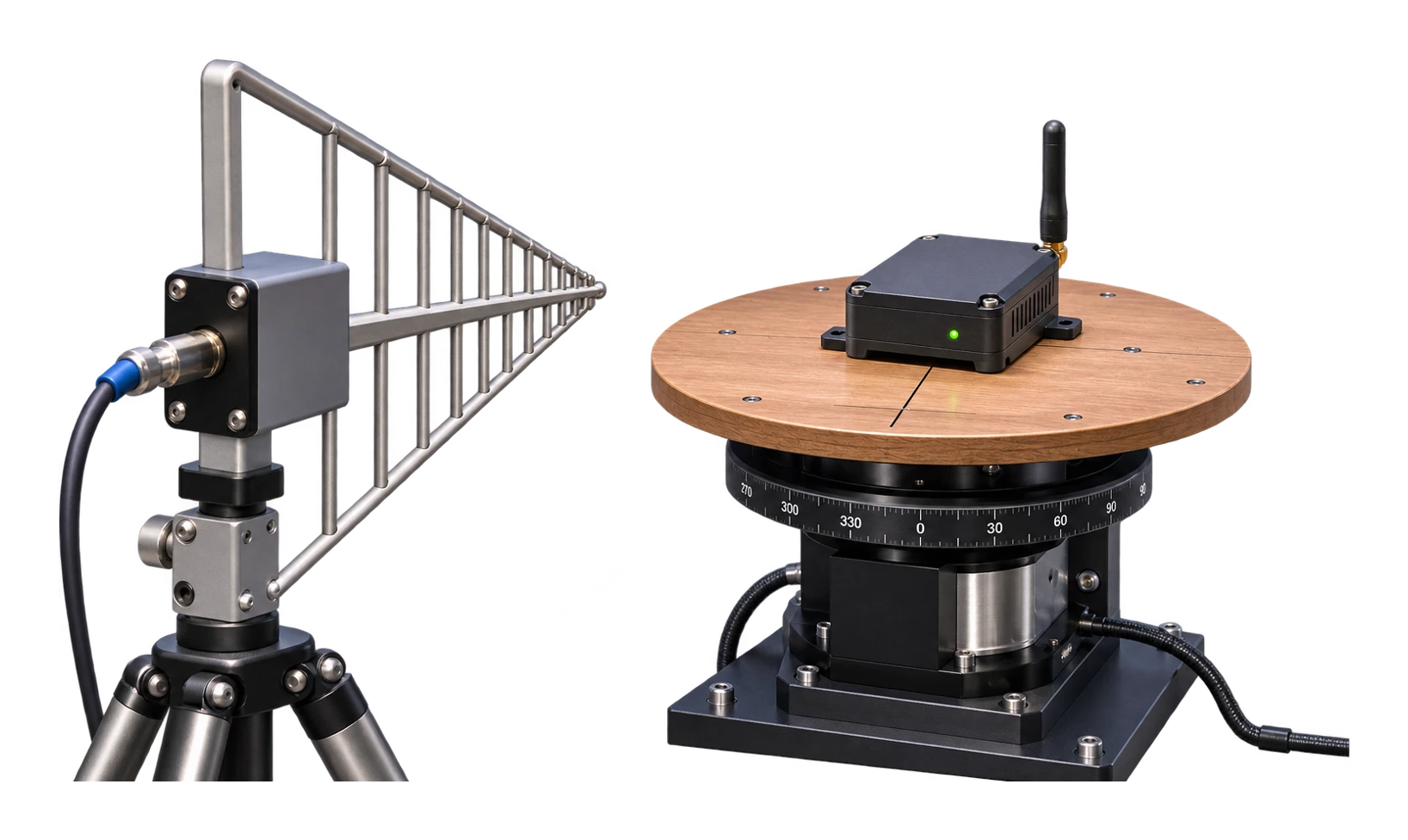
A sensor link that works across an empty room can behave differently once it sits inside an enclosure on a busy factory floor. The enclosure, antenna and operating environment all enter the design.
We estimate the link budget, compare antenna positions and measure packet delivery at defined locations. We repeat the test with machinery active to distinguish installation effects from changes in the surrounding radio environment.
A prototype link, measurement setup and installation guidance supported by recorded performance margins.
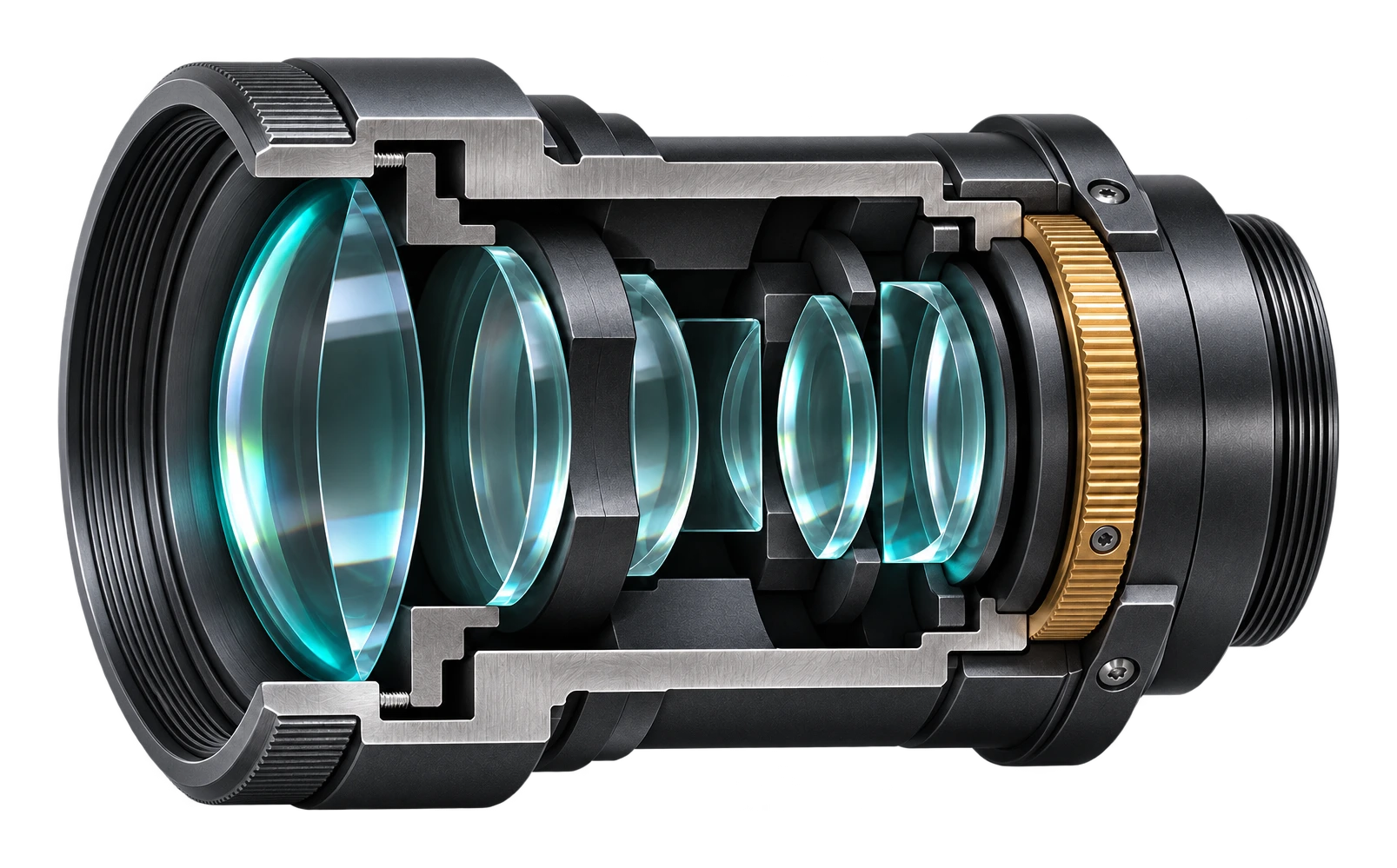
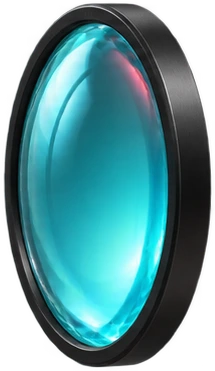
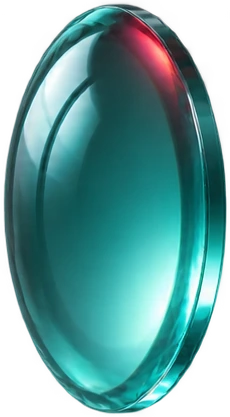
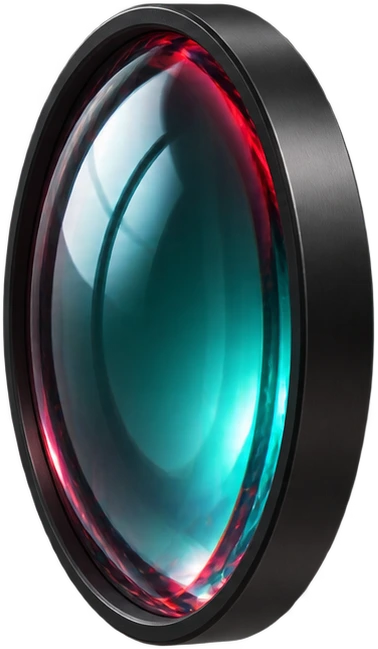
Start with the object. How small is the feature, how far away is it, and how much light reaches it? These questions set the field of view, aperture and detector sampling the lens must support.
We compare optical layouts against working distance and packaging constraints. Tolerance studies show which spacing or alignment errors matter most. A bench test then checks contrast across the field, distortion and focus on a representative sensor.
An optical prescription, tolerance budget, alignment references and a verification plan for the assembled instrument.
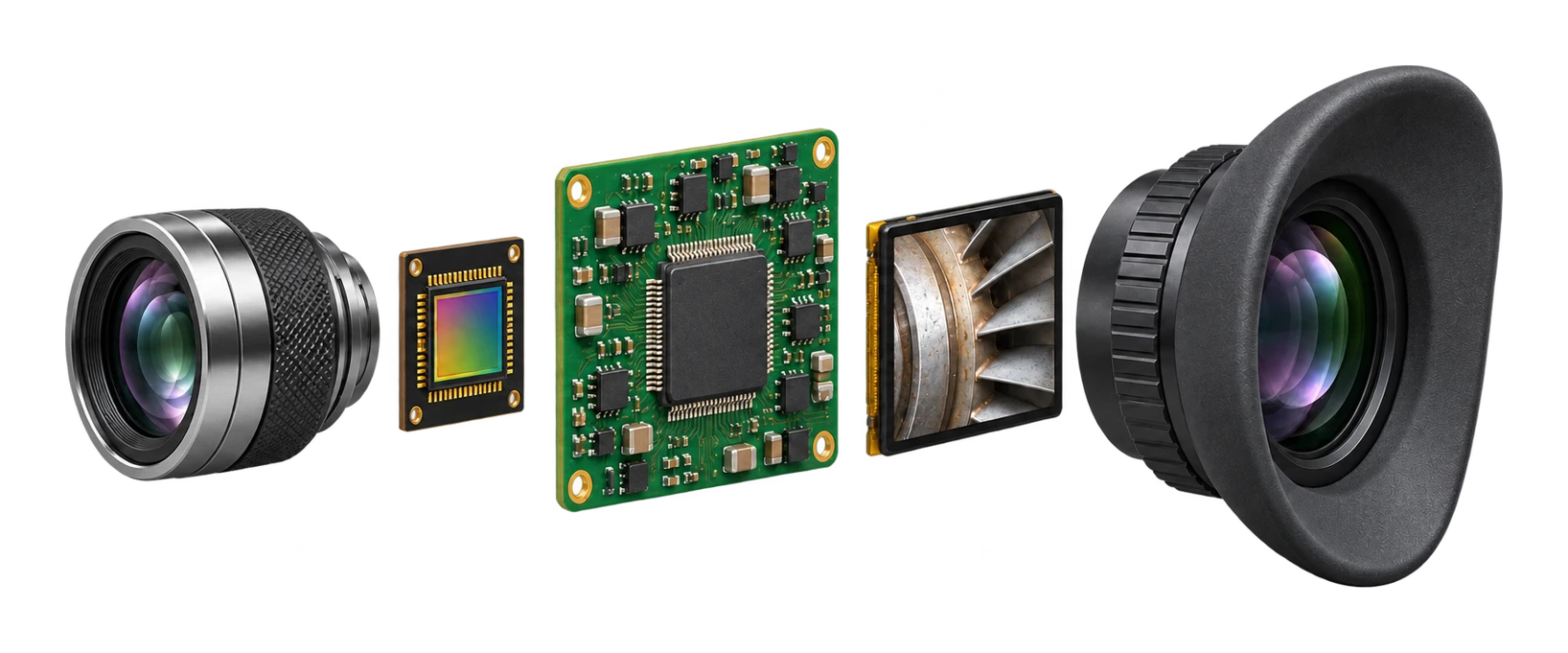
In a handheld inspection camera, the objective lens focuses light onto the sensor. The video processor turns its output into an image on a microdisplay, which the operator sees through the viewfinder. Focus, processing delay and display alignment all affect what the operator can see.
We connect user requirements to system architecture, then develop mechanics, electronics, firmware and application software around agreed interfaces. Prototype builds expose integration issues early. Pilot-build reviews address assembly order, test access, sourcing and serviceability.
A scoped handover package covering design files, bill of materials, software releases, assembly instructions, test procedures and open engineering decisions.
About the company
Tonbo Systems Pty Ltd is a research and development company based in Australia. We work where optics, electronics and software meet.
A single engineering decision can cross several disciplines. In a compact inspection camera, for example, the lens determines how much detail reaches the sensor. Exposure affects motion blur, the processor sets the time available to inspect a frame, and the enclosure limits how heat escapes.
We structure projects around those dependencies. A client can come to us with a single feasibility question, a prototype that needs independent evaluation or a product that needs coordinated engineering from requirements through handover.
Our method
Choose the decision the experiment needs to support. Agree on the inputs, operating conditions and what a good result looks like.
Put the most uncertain part on the bench first. Build a prototype and record enough of each run to reproduce it.
Review the limits together. Take away the prototype, test records and a clear account of what to investigate next.
Working together
For a team choosing between approaches. Bring a representative sample, the operating constraints and the decision you need to make.
OutcomeA test report outlining what worked, what failed and which assumption deserves the next experiment.
For a team with a defined use case. Bring interface specifications and access to the hardware or environment the prototype must fit.
OutcomeA demonstrator with repeatable test scenarios, integration notes and a record of its limitations.
For a team with an existing system. Bring the current implementation, reference results and the conditions under which it struggles.
OutcomeA comparison against agreed criteria and a prioritised account of the gaps found during testing.
Contact
Level 1, 5A South Drive
Bentleigh East VIC 3165
Australia
Tell us what you are developing, where it will operate and the decision you need to make next.
Email our team ↗